
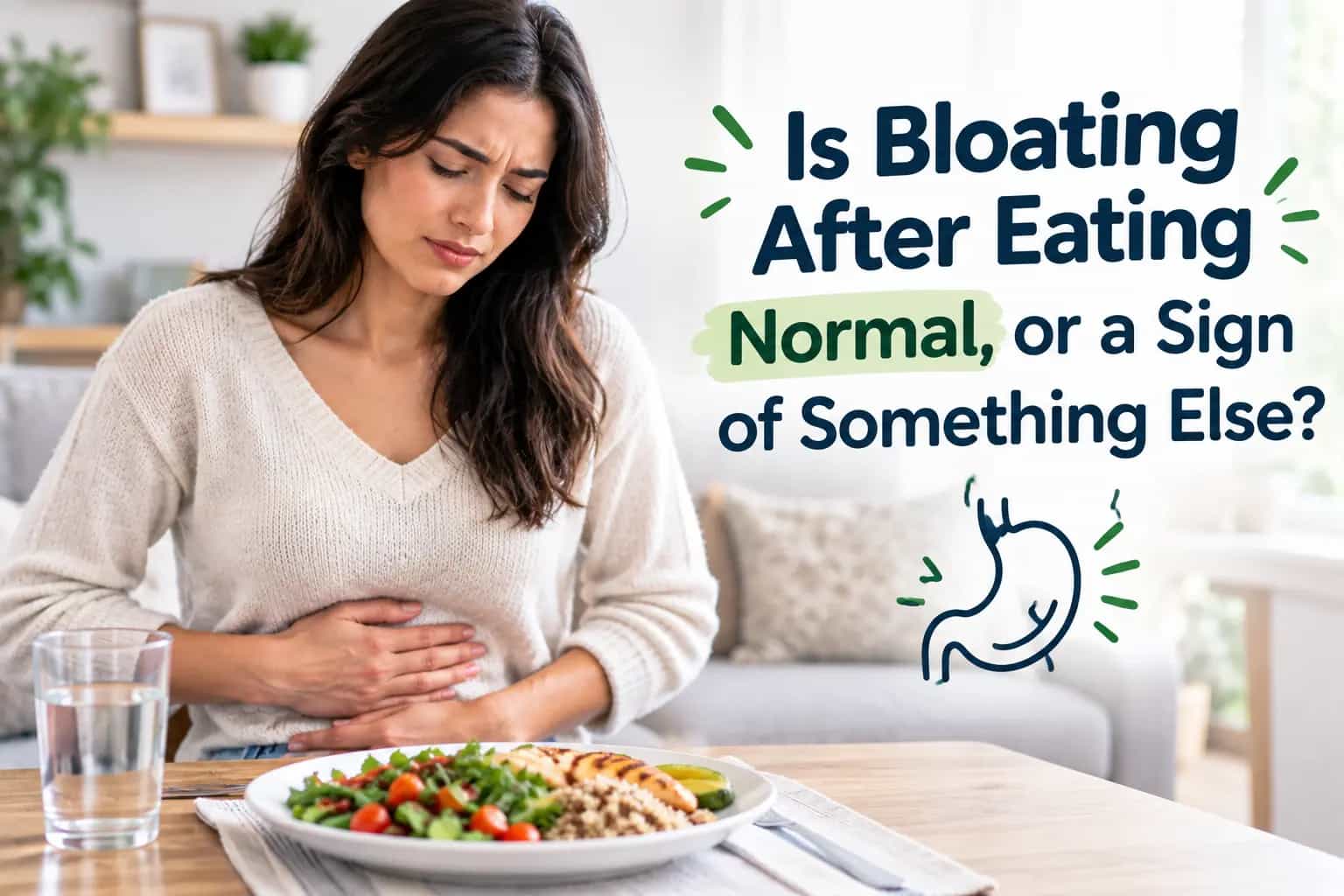
You finish a meal, lean back, and suddenly your waistband feels a size too small. Your stomach looks a little rounder; you feel heavy, maybe even a bit gassy. If this sounds familiar, you're in very good company. Nearly 14% of U.S. adults report bloating in a given week, and almost 1 in 5 people worldwide experience it at least once a week[1][2]. But that raises a fair question: is bloating after eating normal, or is it a sign that something in your gut needs attention?
The honest answer is: it depends. A little bloating after eating is usually just your digestive system doing its job. Persistent, painful, or worsening bloating, on the other hand, can be your body's way of flagging an underlying digestive issue. This guide breaks down the difference, using insights from gastroenterologists and recent clinical research, so you know exactly when to relax and when to book an appointment.

What Actually Happens in Your Gut When You Feel Bloated?
Bloating is the sensation of tightness, fullness, or swelling in the abdomen. It happens when your gastrointestinal tract fills with air or gas, or when digestion slows down and food lingers longer than expected. Your stomach naturally stretches to make room for a meal, and gas is a completely normal by-product of breaking food down[3]. Add in a few gulps of air from eating quickly or talking while you chew, and that "food baby" feeling starts to make sense.
Why Occasional Bloating After Eating Is Usually Nothing to Worry About
Dr. Stuart Akerman, a Dallas-Fort Worth gastroenterologist who has treated thousands of bloating patients, puts it simply: everyone experiences some degree of bloating after eating, because it's part of how the body makes room for food and starts digesting it[4]. If you feel puffy after a big, rich dinner but are back to normal by the next morning, that's typically ordinary digestion at work, not a red flag.
See our guide to daily fiber needs for how much is actually recommended. Common, harmless triggers include:
Eating too quickly or talking while chewing (swallowing excess air)
Large portion sizes or heavy, fatty meals
Carbonated drinks like soda and sparkling water
Gas-producing foods such as beans, lentils, broccoli, cabbage, and onions
High-fiber foods introduced too quickly into your diet
Hormonal shifts during the menstrual cycle, which can cause water retention and slower digestion
When Bloating After Eating Signals Something Else
The picture changes when bloating becomes a regular guest at every meal rather than an occasional visitor. According to gastroenterology teams at Summit Health, post-meal bloating that happens consistently may point to the digestive system struggling to process food efficiently, leading to excess gas, fluid retention, or delayed stomach emptying[5]. Several underlying conditions are worth knowing about:
Irritable Bowel Syndrome (IBS): A functional gut disorder that affects motility and can cause bloating, cramping, and altered bowel habits. Research shows bloating is one of the most common predominant symptoms among patients with disorders of gut-brain interaction[6]. We cover more of these gut-related claims and what holds up and what doesn't in our gut health myths guide. Some probiotic strains show modest benefits for diagnosed IBS. Here’s what the research on probiotic supplements actually shows.
Small Intestinal Bacterial Overgrowth (SIBO): Occurs when bacteria migrate into the small intestine and ferment food prematurely, producing excess gas[5].
Gastroparesis: Delayed stomach emptying that keeps food in the stomach longer than normal, often triggering fullness, nausea, and bloating during or after meals[7]. GLP-1 medications like Ozempic also slow stomach emptying, which is why fullness and bloating are common when people start them.
Food intolerances: Lactose or fructose intolerance can cause bloating, gas, and discomfort within hours of eating specific foods.
Chronic constipation or inflammatory bowel disease (IBD): Both can trap gas and stool, leading to visible abdominal distension.

What the Research Says About How Common Bloating Really Is
Bloating is far more widespread than most people realize and far less discussed. Dr. Janice E. Oh of Cedars-Sinai Medical Center and colleagues surveyed nearly 89,000 U.S. adults and found that 13.9% reported bloating within the past week, with significantly higher odds among women and people with IBS, chronic constipation, or ulcerative colitis[1]. Strikingly, the study also found that more than half of people with recent bloating never sought medical care for it, often assuming it would resolve on its own or feeling too uncomfortable to bring it up with a doctor.
A separate global analysis, the Rome Foundation Global Epidemiology Study, examined more than 51,000 people across 26 countries and found that nearly 18% of the general population experiences bloating at least once a week, with women roughly twice as likely as men to report it[2]. Researcher Dr. Sarah Ballou and colleagues at Beth Israel Deaconess Medical Center have also documented that among patients with functional gut disorders, bloating is frequently the single most bothersome symptom they report, more common in younger women and those with functional constipation[6].
In other words: if you regularly feel bloated after eating, you are not imagining it, and you are not alone but that doesn't mean it should be dismissed as "just normal."
Red-Flag Symptoms: When Bloating After Eating Needs Medical Attention
Dr. Patel, a gastroenterologist at Houston Methodist, notes that while bloating is usually benign and tied to diet or lifestyle, it's important to recognize "alarm" symptoms that can accompany more serious conditions[3]. Consider seeing a gastroenterologist if bloating after eating comes with any of the following:
Unintentional weight loss
Blood in the stool or persistent changes in bowel habits
Severe or worsening abdominal pain
Bloating that occurs more than three to four times per week[4]
Persistent nausea or vomiting
Bloating that interferes with sleep, work, or daily activities
Feeling full after only a few bites, especially alongside nausea[7]
Your doctor may recommend blood tests, a stool test, abdominal imaging, or in some cases an upper endoscopy or colonoscopy to rule out conditions like IBD, celiac disease, or SIBO[8].

How to Relieve Bloating After Eating Naturally
Quick Relief Strategies
Go for a short walk: A clinical trial found that light physical activity after meals meaningfully reduced gastrointestinal symptoms, including bloating, in people with functional abdominal bloating[9]. A 10–15 minute walk can help move trapped gas along.
Slow down while eating: Chewing thoroughly and putting your fork down between bites reduces the amount of air you swallow.
Loosen tight clothing: This won't fix the cause, but it eases pressure and discomfort while your body finishes digesting.
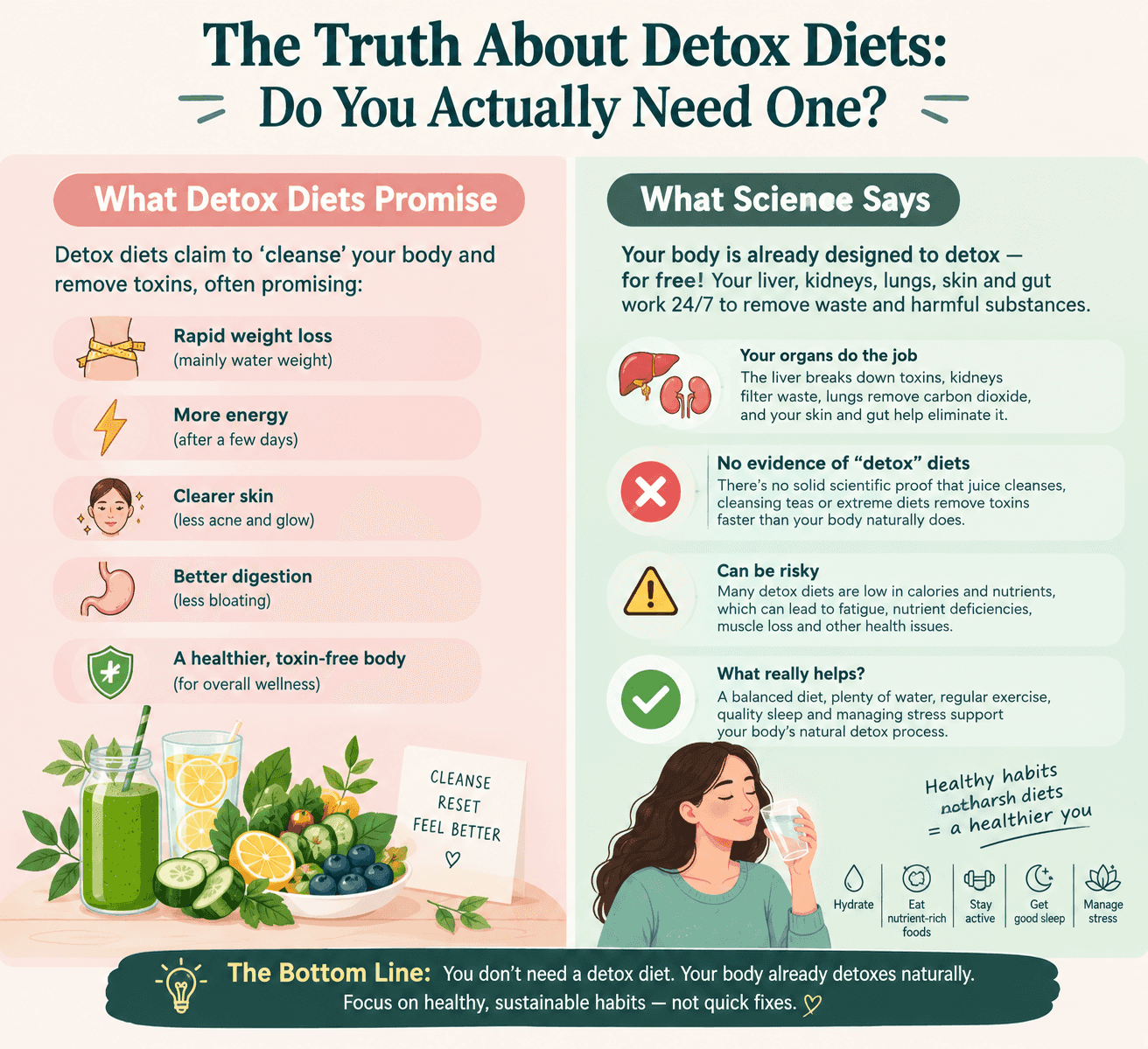
Try peppermint or ginger tea: Both are traditionally used to relax digestive muscles and ease gas. Be wary of ‘detox’ or ‘debloat’ teas and cleanses, though. Most promise far more than the evidence supports.
Longer-Term Habits That Help
Eat smaller, more frequent meals instead of large ones
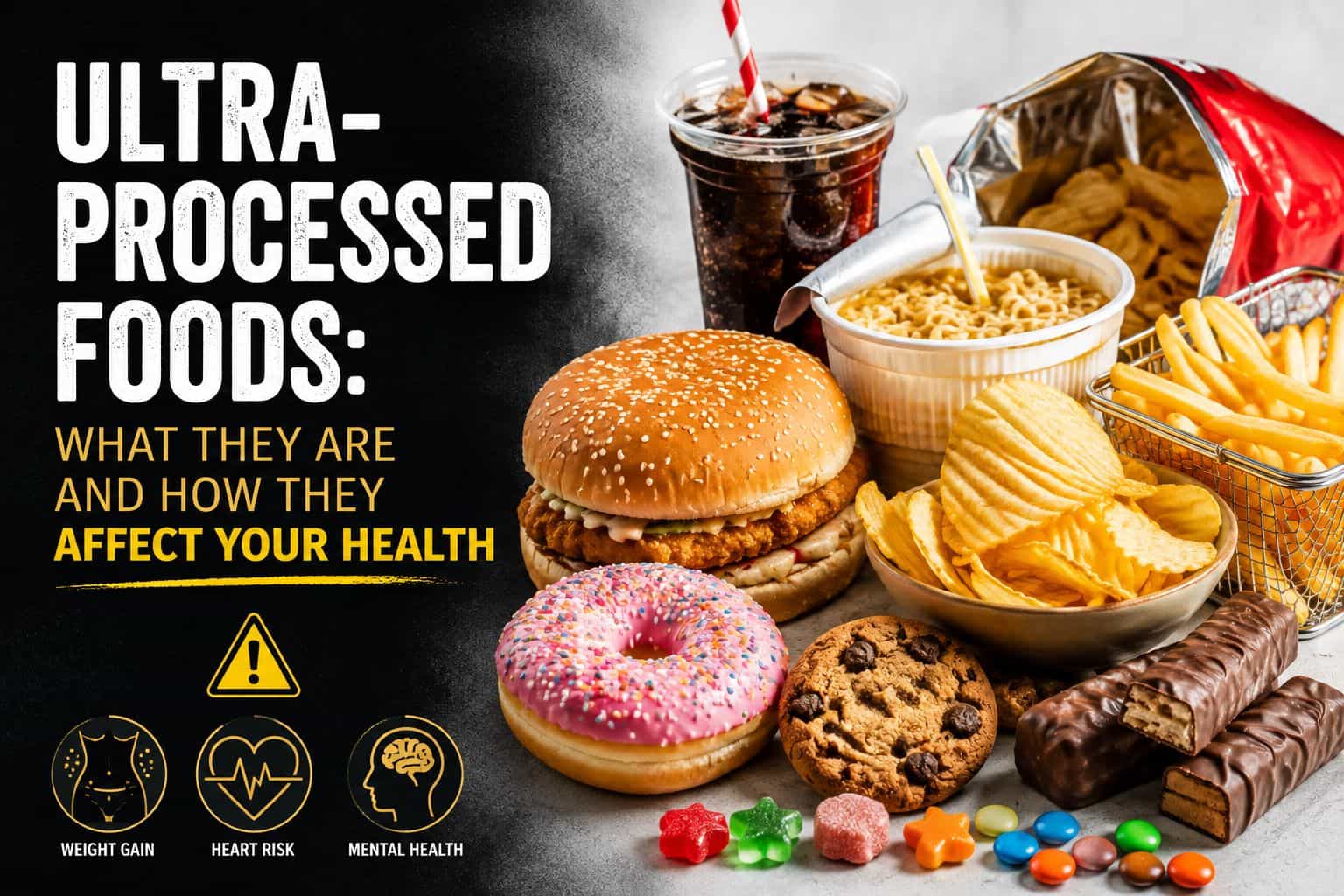
Limit carbonated drinks and artificial sweeteners. Limit carbonated drinks and artificial sweeteners, which are common in ultra-processed foods
Introduce high-fiber foods gradually, with adequate water intake; how much fiber you actually need is probably more than you think. Introduce high-fiber foods gradually, with adequate water intake
Keep a food and symptom diary to spot personal trigger foods
Manage stress, since the gut-brain connection can amplify how bloating feels
Key Points
So, is bloating after eating normal, or a sign of something else? Most of the time, a little post-meal bloating is simply digestion in action completely normal and nothing to fear. But when it becomes frequent, painful, or shows up with other warning symptoms, it may be your gut signaling an underlying issue like IBS, SIBO, or gastroparesis that deserves a proper diagnosis. Listening to your body, tracking your patterns, and knowing when to ask for help is the real key to lasting digestive comfort.

Occasional bloating after eating is a normal part of digestion caused by gas, stomach stretching, and swallowed air.
Nearly 1 in 7 U.S. adults and close to 1 in 5 people worldwide report weekly bloating, and women are roughly twice as likely as men to experience it.
Frequent bloating (3–4+ times a week), pain, weight loss, or blood in the stool are red flags that warrant a doctor's visit.
Conditions like IBS, SIBO, gastroparesis, and food intolerances are common medical causes of chronic post-meal bloating.
Simple habits like eating slowly, walking after meals, limiting carbonated drinks, and managing stress can meaningfully reduce bloating.
More than half of people with regular bloating never seek care for it, often unnecessarily.
Frequently Asked Questions (FAQs)
Is it normal to feel bloated after every meal?
Mild bloating shortly after eating is normal, since the stomach expands and gas is a natural part of digestion. It becomes a concern when it happens after almost every meal, lasts for hours, or comes with pain, nausea, or bowel changes.
What foods cause the most bloating after eating?
Carbonated drinks, beans, cruciferous vegetables like broccoli and cabbage, dairy in people with lactose intolerance, artificial sweeteners, and high-fat or fried foods are among the most common triggers.
When should I see a doctor about bloating?
See a doctor if bloating happens more than three to four times a week, worsens over time, or comes with unintentional weight loss, blood in the stool, persistent vomiting, or severe abdominal pain.
Can stress cause bloating after eating?
Yes. The gut and brain are closely linked through the gut-brain axis, and stress can slow digestion, alter gut bacteria, and make you more sensitive to normal amounts of gas.
Does walking after eating help with bloating?
Yes. A short 10–15 minute walk after a meal can stimulate gut motility and help move trapped gas through the digestive system faster than resting or lying down.
References
Oh JE, et al. Nationwide prevalence and impact of bloating in U.S. adults. Clinical Gastroenterology and Hepatology, as reported by Physician's Weekly. https://www.physiciansweekly.com/?p=413753
Rome Foundation Global Epidemiology Study. Prevalence and Associated Factors of Bloating. Gastroenterology, 2023. https://cris.bgu.ac.il
Houston Methodist. Feeling Bloated? A Gastroenterologist Explains What's Happening in the Gut. houstonmethodist.org
Akerman S. Bloating After Meals: When It's Normal and When to See a Gastroenterologist. stuartakermanmd.com
Summit Health. Bloating After Eating: Common Causes and How to Find Relief. summithealth.com
Said H, Nee J, Iturrino J, Rangan V, Singh P, Lembo A, Ballou S. Clinical Characteristics of Patients Presenting with Bloating as a Predominant Symptom. J Clin Gastroenterol. 2023;57(8):830-834. pmc.ncbi.nlm.nih.gov/articles/PMC10148919
Gastroenterology Associates of the Piedmont. Gastroparesis Symptoms: Signs You Shouldn't Ignore. gapgi.com
Digestive Health Colorado. What Causes Gas After Eating? Insights from Your Local Gastroenterologist. digestive-health.net
The effect of short-term physical activity after meals on gastrointestinal symptoms in functional abdominal bloating: a randomized clinical trial. PMC. ncbi.nlm.nih.gov/pmc/articles/PMC8035544






Leave a comment